
There’s a moment that happens with almost every new car owner in Riverside. The excitement of driving the car off the lot is still fresh, the paint looks flawless under the sunlight, and suddenly you start noticing everything around you that could damage it. Loose debris on the 91, dust moving through open roads near I-215, intense afternoon sun sitting directly on the hood while the car is parked outside.
Around here, cars go through a lot even when they’re brand new.
That’s why many drivers start researching protection options surprisingly early, sometimes within the first few weeks of ownership. Not because they’re obsessive about keeping the car perfect, but because Riverside conditions have a way of aging paint faster than people expect.
Two products usually come up first during that search: paint protection tint and ceramic coating. Both are popular, both help preserve the appearance of the vehicle, but they work in very different ways. And honestly, that’s where a lot of the confusion starts.
In this article, we’re going to break down how each option performs in real Riverside driving conditions, where each one shines, and how to figure out which setup makes the most sense for the way you actually use your car
Understanding the Difference Between PPF and Ceramic Coating
People tend to group paint protection film and ceramic coating into the same category, but once you work around these products every day, you realize they solve completely different problems.
Paint Protection Film
Paint protection film, often called PPF or paint protection tint, is a physical layer installed over the paint itself. Think of it as a shield designed to absorb impact before your paint does. It’s commonly applied to areas that take the most abuse, front bumpers, hood edges, mirrors, fenders, and other high-contact surfaces.
Its main job is straightforward: help protect against chips, scratches, and debris that can physically damage the paint.
Ceramic Coating
Ceramic coating protection works differently. Instead of acting as a thick protective barrier, it bonds to the surface of the paint and creates a slick, hydrophobic layer. That layer helps repel water, dirt, and contaminants while making the paint easier to clean and maintain.
It also enhances gloss in a way many drivers notice immediately, especially darker-colored vehicles under Riverside sunlight.
At Freeway Tint, one of the biggest things we clarify for customers is that these products aren’t really competitors. Paint protection film focuses more on impact resistance, while ceramic coating is centered around surface protection and maintenance. They’re both forms of vehicle paint protection, just aimed at different types of wear.
And once you understand that difference, choosing between them becomes much easier.
What Riverside Driving Conditions Can Do to New Car Paint
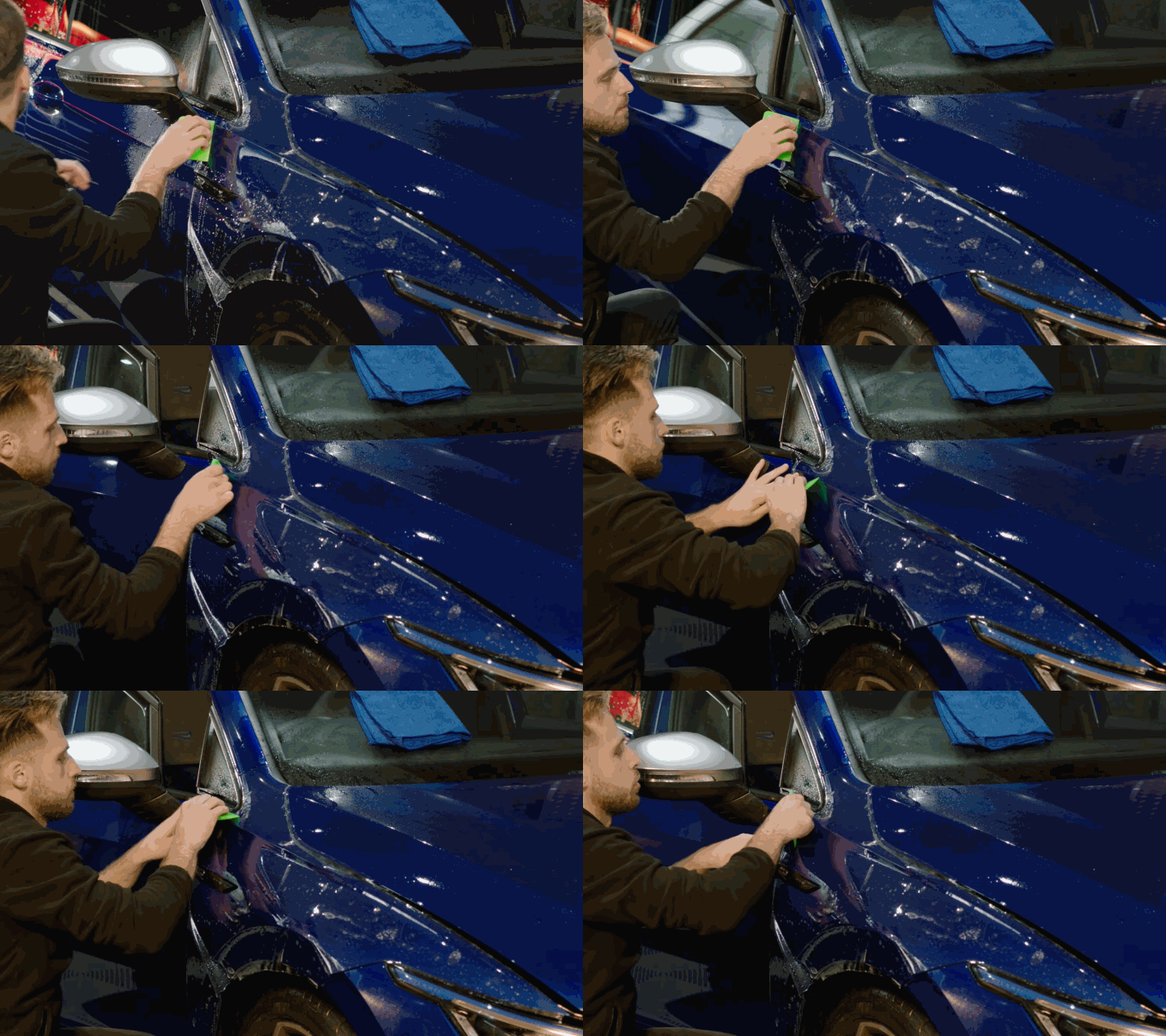
A lot of paint damage doesn’t happen all at once. In Riverside, it’s usually the result of constant exposure building up little by little over time.
One week it’s freeway debris bouncing up during your morning commute. A few days later it’s dust settling onto the paint after parking outside for hours. Then there’s the heat, which is honestly one of the biggest factors people underestimate here.
If you drive regularly through areas connected by the 91, I-215, or even stretches closer to Moreno Valley and Corona, your paint is dealing with more than just sunlight. There’s airborne dirt, bug residue, dry climate contamination, and small particles constantly hitting the front of the vehicle at highway speeds.
That combination tends to leave marks faster than most new owners expect.
You start seeing tiny chips around the bumper. Darker paint begins showing swirl marks more easily. Surfaces exposed to direct UV rays all day slowly lose depth and clarity. Even something as simple as bug splatter becomes more problematic when it sits too long under Riverside heat.
That’s why new car paint protection matters more here than it might in milder climates. Whether someone chooses ceramic coating, paint protection tint, or a combination of both, the goal is usually the same: protect car paint Riverside conditions are constantly trying to wear down.
Where Paint Protection Film Performs Best
When people ask us what paint protection film is best at, the answer is usually pretty simple: taking the hit so your paint doesn’t have to.
For Riverside drivers, especially the ones spending a lot of time on highways, that kind of protection becomes a lot more valuable than it sounds at first.
- Helps reduce damage caused by rock chips and loose debris on roads like the 91 and I-215
- Protects high-impact areas including bumpers, hood edges, side mirrors, and fenders
- Self-healing technology helps light scratches fade with heat exposure
- Ideal for drivers with long commutes or frequent freeway driving
- Helps maintain original factory paint condition for longer periods
The reason so many Riverside drivers lean toward paint protection tint is because physical damage tends to happen quickly and permanently. Once a rock chip cuts through paint, there’s no easy undo button for it.
That’s where PPF tends to make the biggest difference, especially for newer vehicles people plan to keep looking clean long-term.
Where Ceramic Coating Makes the Biggest Difference
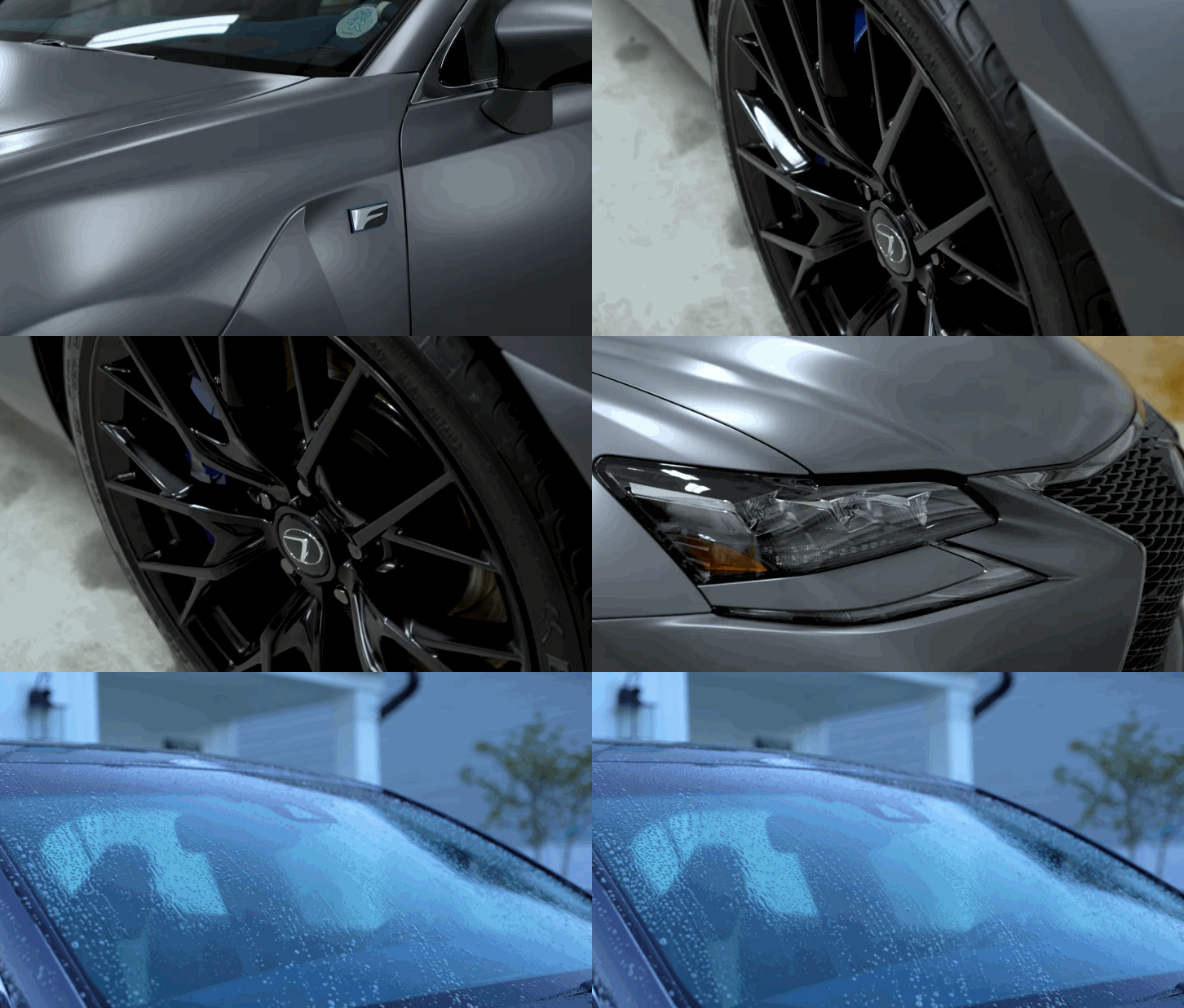
Ceramic coating changes the ownership experience in a different way. It’s less about impact resistance and more about how the vehicle behaves day to day once it’s exposed to real-world conditions.
A professionally installed ceramic coating for cars creates a smoother, more resistant surface that makes maintenance noticeably easier. Dust doesn’t cling as aggressively, water beads off faster, and cleaning the vehicle becomes less frustrating overall.
In Riverside, where dry conditions and sunlight are constant, that matters more than people expect.
The visual side is also hard to ignore. A quality paint protection coating tends to deepen gloss and make the paint look sharper under direct light, especially after a proper wash. But beyond appearance, the coating also adds resistance against UV exposure, water spotting, bird droppings, and surface contaminants that slowly wear down unprotected paint.
At Freeway Tint, we usually explain ceramic coating as something that helps preserve the overall condition and finish of the vehicle rather than protecting against heavy physical impact. When installed correctly, it becomes a long-term layer that helps your car stay cleaner, look better, and require less aggressive maintenance over time.
And for many Riverside drivers, especially those who care about keeping that “new car look” as long as possible, that alone makes a huge difference.
Is One Better Than the Other for Riverside Drivers?
This is usually the point where people expect a simple answer, one product wins, the other loses. But after working with enough Riverside drivers, we’ve learned it rarely works that way in real life.
The better option usually depends on how the car is actually being driven.
Someone spending hours every week on the 91 or commuting long distances through I-215 tends to worry more about physical damage. Rock chips, debris, and constant freeway exposure become the bigger concern, which is why paint protection tint often makes more sense for those drivers.
On the other hand, someone who mostly stays around city streets, parks outdoors often, or cares heavily about keeping the paint glossy and easier to maintain may lean more toward ceramic coating. The benefits become more noticeable during washing, maintenance, and daily exposure to Riverside heat and dust.
There’s also the budget side of things, and honestly, that conversation matters. Full-body paint protection film is a bigger investment than ceramic coating, which is why many vehicle owners decide to prioritize certain areas first or choose a partial protection setup based on how they use the car.
And then there’s the option a lot of people eventually land on: combining both.
We’ve seen many Riverside drivers install paint protection tint on high-impact areas like the front bumper and hood, then apply ceramic coating over the rest of the vehicle for easier maintenance and additional surface protection. For some cars, especially newer ones, that layered approach ends up offering the best balance overall.
Want to see more about our other services?
Common Mistakes New Car Owners Make with Paint Protection
One thing we’ve noticed over the years is that protecting a new vehicle is usually less about finding the “perfect” product and more about avoiding the wrong decisions early on. Timing matters. Installation quality matters even more.
A lot of the problems people run into later could have been avoided with better information from the start.
- Waiting too long before protecting the paint, allowing chips, scratches, and contamination to build up first
- Choosing products based only on the lowest price instead of long-term performance
- Assuming ceramic coating prevents rock chips and physical impact damage
- Trusting inexperienced installers who rush prep work or alignment
- Forgetting that both ceramic coating and paint protection film still require proper maintenance
At Freeway Tint, these are exactly the kinds of conversations we try to have early with customers. Not to overcomplicate the process, but because once damage happens to factory paint, reversing it becomes much harder and more expensive than protecting it correctly from the beginning.
Why Professional Installation Matters for Long-Term Results
A lot of people focus entirely on the product itself, which film is better, which coating lasts longer, which brand sounds more premium. But the truth is, even the best materials can underperform if the installation isn’t handled properly.
With professional PPF installation, preparation is a huge part of the process. The paint has to be thoroughly cleaned and, in many cases, corrected before anything gets applied. Small imperfections trapped underneath the film become much more noticeable later, especially under Riverside sunlight.
Then comes the actual installation work, film alignment, edge wrapping, trimming, and finishing. Those details are what separate a clean, nearly invisible result from one that starts lifting or collecting dirt around the edges after a few months.
The same goes for ceramic coating application Riverside drivers invest in. Surface preparation directly affects how the coating bonds, cures, and performs over time. If the prep work is rushed or contamination is left behind, the coating simply won’t behave the way it’s supposed to.
That’s also why controlled installation environments matter more than people think. Dust, temperature, lighting, and curing conditions all influence the final result, especially with long-term durability.
When installation is done correctly from the beginning, both paint protection tint and ceramic coating tend to perform the way drivers expect them to, consistently and without unnecessary issues later on.
Choosing the Right Protection for Your New Car
At the end of the day, this really comes down to understanding what kind of protection your car actually needs in Riverside conditions.
Paint protection tint and ceramic coating both bring real value to the table, they just protect your vehicle in different ways. One is built more around defending against physical damage, while the other focuses on preserving the finish, simplifying maintenance, and helping the paint hold up better over time.
And around Riverside, where freeway driving, heat, UV exposure, and road debris are all part of daily life, having some form of protection on a new vehicle usually ends up being a smart move sooner rather than later.
At Freeway Tint, we spend a lot of time helping drivers figure out what makes sense for their specific car, driving habits, and expectations, not just recommending the same setup to everyone who walks through the door.
If you’re trying to decide between ceramic coating, paint protection film, or a combination of both, feel free to contact us. We’ll help you understand the differences clearly and guide you toward the protection setup that fits your vehicle and the way you drive here in Riverside.