
Yes. Ceramic window tint can significantly reduce heat buildup inside your vehicle by blocking a large portion of the sun’s infrared energy before it passes through the glass. While it won’t stop your car from warming up entirely, it can make a noticeable difference in how quickly the cabin heats up and how comfortable it feels once you’re inside.
Ceramic window tint helps keep your car cooler by rejecting solar heat and filtering harmful UV rays before they enter the cabin. Combined with professional window tint installation, it creates a more comfortable driving environment during California’s long, sunny summers without relying solely on air conditioning.
Anyone who has left a vehicle parked outside in California knows how quickly the interior temperature can climb. Whether you’re in Sacramento, Fresno, Riverside, or anywhere in between, extended sun exposure and hours of outdoor parking put your vehicle through the same cycle almost every day during the warmer months.
That’s one of the biggest reasons drivers start looking into window tint. More specifically, ceramic window tint has become a popular option because it’s designed to address heat, not just darken the windows. For many people, staying cooler isn’t simply about comfort. It also means reducing glare, protecting the interior, and making everyday driving more enjoyable throughout California.
How Does Ceramic Window Tint Reduce Interior Heat?
Ceramic window tint reduces interior heat by using microscopic ceramic particles that block a significant amount of infrared energy and harmful UV radiation before those rays enter the vehicle. Instead of absorbing heat, the film is designed to reject it at the glass.
Not All Sunlight Feels the Same
When people think about sunlight, they usually focus on brightness. In reality, the heat you feel inside your car comes largely from infrared radiation, while ultraviolet rays are responsible for much of the long-term fading and deterioration inside the cabin.
A quality heat rejection window tint targets both of these without dramatically affecting visibility.
Heat Rejection Doesn’t Depend on Darkness Alone
One of the biggest surprises for many drivers is that a film doesn’t have to look extremely dark to perform well. Thanks to modern ceramic tint technology, lighter shades can still reject a substantial amount of solar heat while maintaining a more natural appearance.
This is especially helpful for drivers who want better visibility at night or simply prefer a cleaner look.
At Freeway Tint, we often recommend choosing a film based on performance specifications instead of appearance alone. A professionally selected UV protection window tint can provide impressive heat rejection while still matching your driving preferences and California regulations.
Why California Summers Put More Stress on Your Vehicle
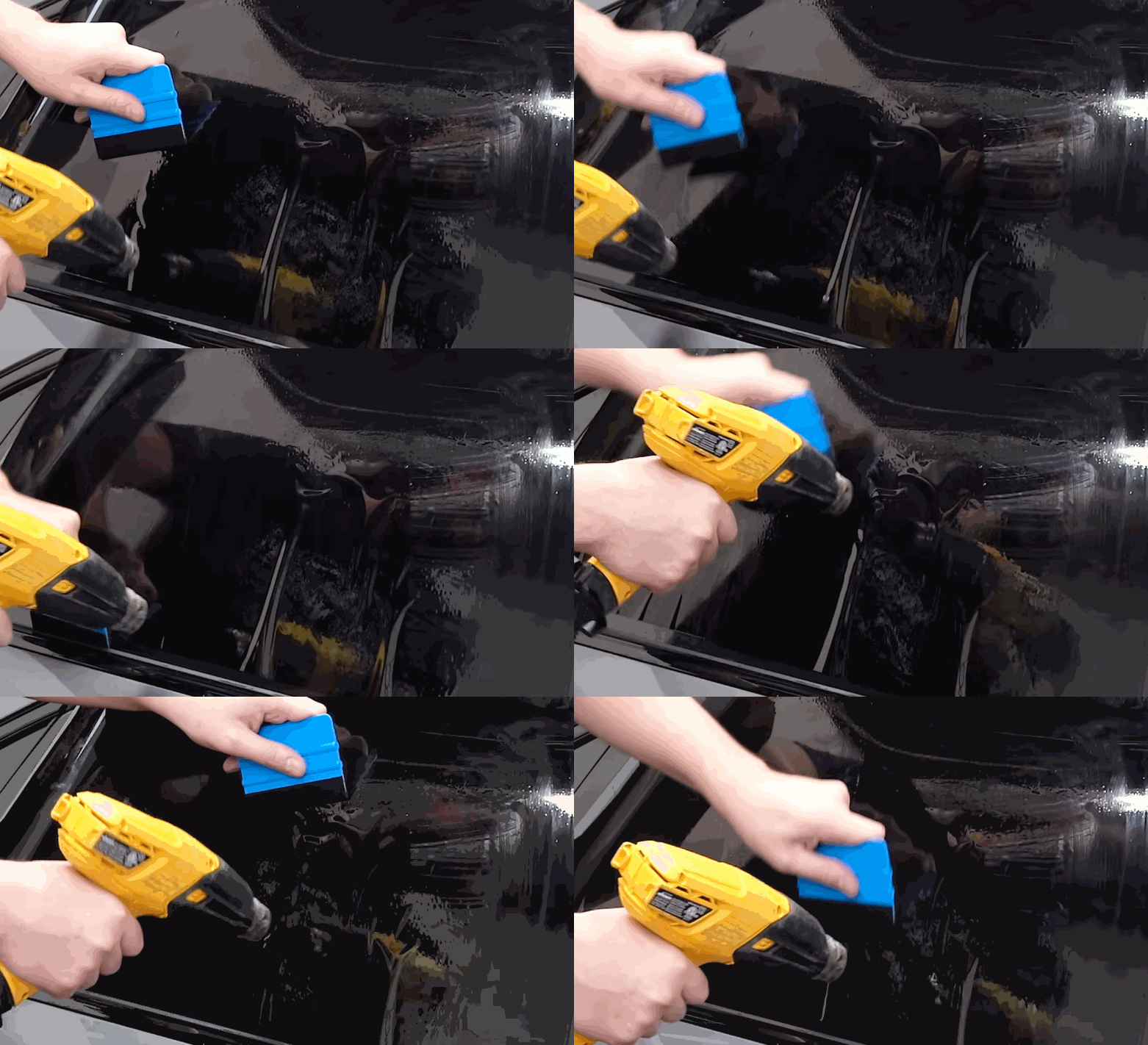
California’s climate creates ideal conditions for excessive cabin heat because many regions experience long periods of sunshine, high temperatures, and limited shade throughout the day.
The experience changes slightly depending on where you live, but the result is usually the same.
Drivers in inland areas often deal with higher daytime temperatures that can push cabin heat to uncomfortable levels after just a short period of outdoor parking. Coastal communities may benefit from milder air temperatures, yet prolonged sun exposure still warms interior surfaces over time. Add heavy commuter traffic into the equation, and many California drivers spend long periods inside vehicles that are constantly exposed to sunlight.
This isn’t just about comfort.
Continuous exposure to summer car heat affects seats, dashboards, steering wheels, center consoles, and other interior materials that receive direct sunlight every day. Over the years, that exposure contributes to fading, drying, and premature wear that many owners don’t notice until the damage has already developed.
That’s why vehicle interior protection becomes an important part of daily driving across California. Reducing heat entering the cabin isn’t simply about making the first few minutes of a drive more pleasant. It’s also about helping preserve the condition of the vehicle over time.
What Benefits Will You Notice After Installing Ceramic Window Tint?
Ceramic window tint helps create a cooler cabin, reduces glare, blocks harmful UV rays, and makes everyday driving more comfortable, especially during California summers. While you’ll likely notice the lower interior temperatures first, many of the biggest advantages become more apparent the longer you drive with it.
- Cooler cabin temperatures after parking outdoors
- Reduced glare during bright daytime driving
- Better UV protection for seats, dashboards, and interior trim
- Improved comfort on longer commutes and road trips
- Less demand on the air conditioning system during hot afternoons
These improvements work together rather than independently. A cooler interior, better visibility, and added protection from the sun all contribute to a more enjoyable driving experience throughout the year. Instead of feeling like you’re constantly trying to cool the cabin down, your vehicle starts from a much more comfortable place every time you get behind the wheel.
Does Ceramic Window Tint Replace Air Conditioning?
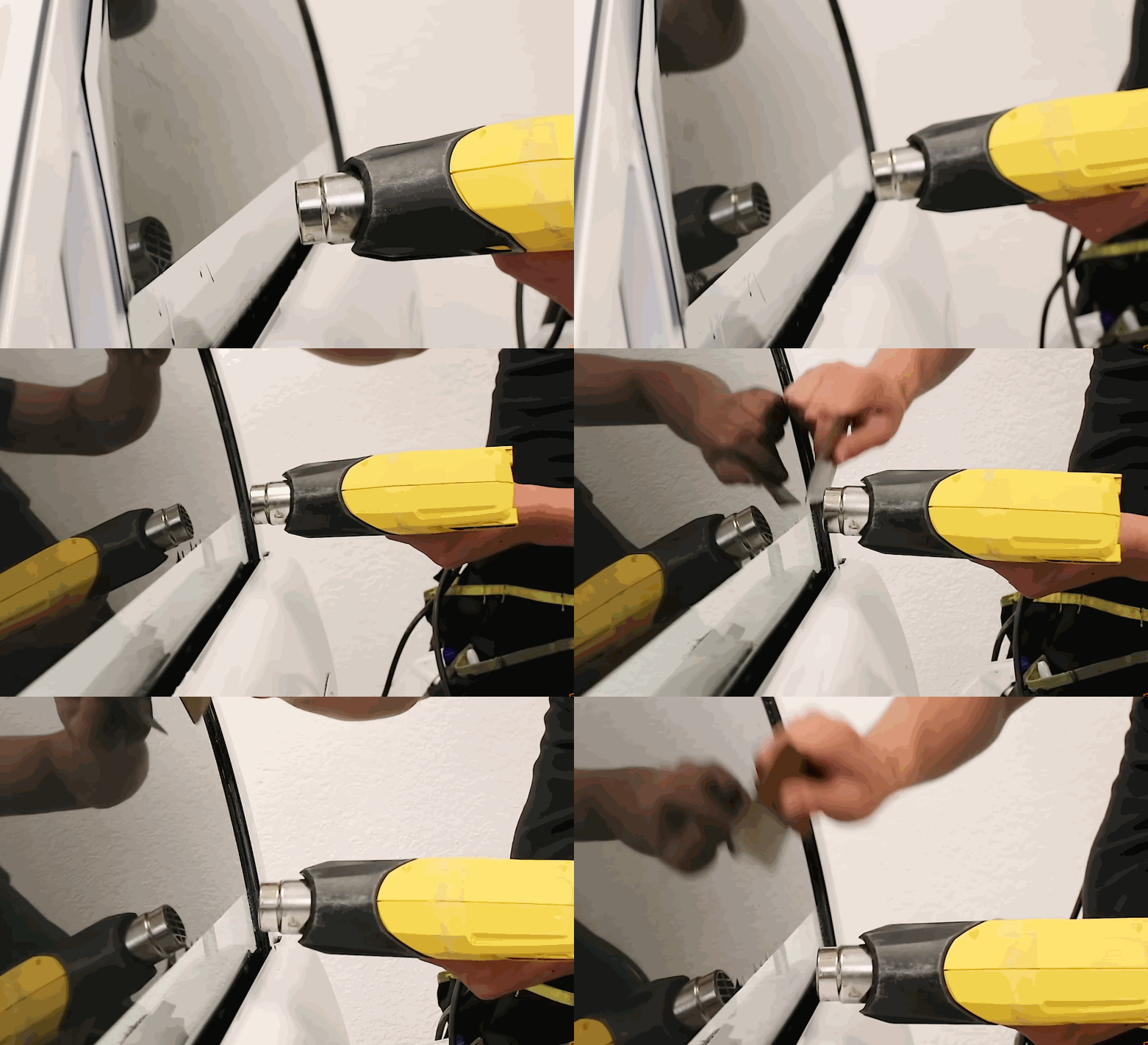
No. Ceramic window tint supports your air conditioning system, but it doesn’t replace it.
The easiest way to think about it is that both systems perform different jobs. Window tint works before heat enters the vehicle by reducing the amount of solar energy passing through the glass. Your air conditioner works afterward by cooling the air that remains inside the cabin.
When those two work together, the result is often a more comfortable driving experience than relying on either one alone.
That distinction matters because expectations should stay realistic. Even with premium ceramic window tint, a vehicle parked under direct California sun for several hours will still become warm. The difference is that the heat buildup is generally less severe, and the cabin often returns to a comfortable temperature more quickly once you begin driving.
Many drivers describe one of the biggest window tint benefits as making the car feel easier to live with during summer rather than magically eliminating heat altogether. If you’ve ever wondered why a car stays cooler with ceramic tint, that’s usually the reason. It helps manage the amount of heat entering the cabin before your climate control system has to deal with it.
Is Ceramic Window Tint Better Than Standard Window Tint?
In most situations, yes. Ceramic window tint generally provides better heat rejection and longer-lasting performance than standard window tint, especially for drivers who spend a lot of time on California roads during the summer.
That doesn’t mean every other film lacks value. Each type was developed with different priorities in mind.
Dyed Window Tint
Dyed films are commonly chosen for their affordability and appearance. They help reduce brightness and improve privacy, but their ability to reject heat is relatively limited compared to newer technologies.
Metallic Window Tint
Metallic films increase heat rejection by reflecting solar energy, but they can interfere with electronic signals. That may affect GPS, Bluetooth, mobile reception, or other connected systems found in modern vehicles.
Ceramic Window Tint
The best ceramic window tint focuses on performance first. It offers strong heat rejection, excellent UV protection, long-term color stability, and compatibility with today’s vehicle technology because it contains no metal.
A ceramic tint comparison usually comes down to balancing comfort, visibility, and durability. While ceramic films often cost more initially, many California drivers appreciate the difference every time they spend a long afternoon behind the wheel.
At Freeway Tint, we encourage customers to compare window tint based on measurable performance instead of simply choosing the darkest or least expensive option. The right film should match your driving habits just as much as your budget.
Want to see more about our other services?
Common Misconceptions About Ceramic Window Tint
Ceramic tint is highly effective, but many claims surrounding it are exaggerated. It performs extremely well when expectations are realistic, yet it’s sometimes presented as if it can eliminate every problem caused by summer heat.
A few misconceptions come up repeatedly during conversations with customers.
- Ceramic tint does not keep the cabin completely cool under every condition
- Darker films don’t automatically provide stronger heat rejection
- Ceramic tint still depends on proper installation to perform correctly
- Different ceramic films can vary significantly in quality and performance
- Heat rejection depends on both the film itself and how well it’s installed
At Freeway Tint, we’d rather help people understand what ceramic window tint actually does than oversell what it can’t do. When customers know what to expect, they’re usually much happier with the final result.
The best decisions come from comparing verified performance data instead of relying on advertising claims alone. Good ceramic tint delivers measurable improvements, but the quality of the film and the installation both play an important role.
Why Professional Window Tint Installation Matters
Installation quality has a direct impact on both how window tint looks and how well it performs over the years. Even premium film can produce disappointing results if the installation process isn’t handled correctly.
Every Installation Starts Before the Film Is Applied
Glass preparation is one of the most important parts of professional window tint installation. Dirt, oils, dust, or residue left on the glass can become trapped beneath the film, creating imperfections that remain visible long after the job is finished.
Precision Creates a Cleaner Finish
Accurate cutting, proper alignment, and careful edge finishing allow the tint to look like it belongs on the vehicle rather than appearing added afterward. Small details often determine whether the final result looks factory-installed or obviously aftermarket.
Time Is Part of the Process
After the film has been installed, it still needs time to cure correctly. Rushing that process or exposing the windows too soon can affect both appearance and durability.
Poor window tint installation often leads to bubbling, peeling, edge lifting, or contamination that becomes more noticeable as time passes. Those issues rarely reflect the quality of the film itself. More often, they’re signs that the installation process wasn’t given the attention it required.
A Cooler Drive Starts Before the Heat Gets Inside
California summers aren’t likely to get any milder, but the way your vehicle handles that heat can absolutely change. Ceramic window tint helps reduce the amount of solar energy entering the cabin, making everyday driving more comfortable while also helping protect your interior from long-term UV exposure and excessive glare.
The real advantage isn’t just cooler temperatures. It’s creating a vehicle that’s easier to live with during daily commutes, weekend trips, and long hours parked under the California sun.
At Freeway Tint, we help drivers choose window tint solutions based on performance, driving habits, and long-term value rather than simply appearance. Our goal is to install a film that continues delivering results long after the installation is complete.
If you’re considering professional ceramic window tint installation, we’d be happy to help. Contact Freeway Tint today to explore the best window tint options for your vehicle and the California conditions you drive in every day.