
Most paint damage stories don’t start with a major accident or a dramatic event. More often, they start with something far less noticeable: another morning commute, another trip down the 91 Freeway, another drive along I-215 or SR-60. Nothing unusual happens, yet little by little, your vehicle absorbs the effects of the road.
That’s because Riverside County drivers spend a lot of time in environments where paint is constantly under attack. Loose gravel kicked up by traffic, tiny pieces of tire rubber, construction debris, wind-blown dust, and other airborne particles are all moving at highway speeds. Every vehicle on the road becomes part of that equation.
The reason many people first notice damage on the front of the vehicle is simple. It’s the area taking the direct hit. The hood, bumper, and mirrors are leading the way every mile you drive, absorbing impacts that most drivers never even see happen.
This is exactly why paint protection film has become such a popular form of paint protection for cars throughout Riverside County. Instead of waiting until chips and imperfections appear, many vehicle owners are choosing to protect factory paint before the damage begins. It’s a preventative approach that makes a lot of sense when your vehicle spends most of its life on busy Southern California roads.
Why the Front of Your Vehicle Takes the Most Abuse
If you’ve ever wondered why the front of a vehicle tends to age faster than the rest of the paint, the answer has a lot to do with airflow.
As your vehicle moves down the freeway, air pushes debris toward specific sections of the car. The front end acts almost like a shield, intercepting everything that the road and surrounding traffic throw into its path.
The Hood Becomes a Landing Zone
The hood catches an incredible amount of airborne debris. Small stones, dust particles, insects, and road contaminants all make contact here first.
The Bumper Takes Direct Hits
Because it’s the leading edge of the vehicle, the bumper absorbs impacts that never reach other panels.
Side Mirrors Rarely Escape Damage
Their position creates a perfect target for particles moving around the vehicle at freeway speeds.
What makes these high-impact areas particularly frustrating is that the damage usually develops gradually. A chip here, a scratch there, a few marks you barely notice at first. Then one day, under the right lighting, they’re suddenly impossible to ignore.
That’s why rock chip protection has become such a priority for many local drivers. At Freeway Tint, we spend a lot of time helping Riverside County vehicle owners identify the areas most vulnerable to long-term wear before those small imperfections become larger cosmetic issues. Effective vehicle paint protection starts with understanding where the damage happens first.
Not All Paint Damage Comes From Major Impacts
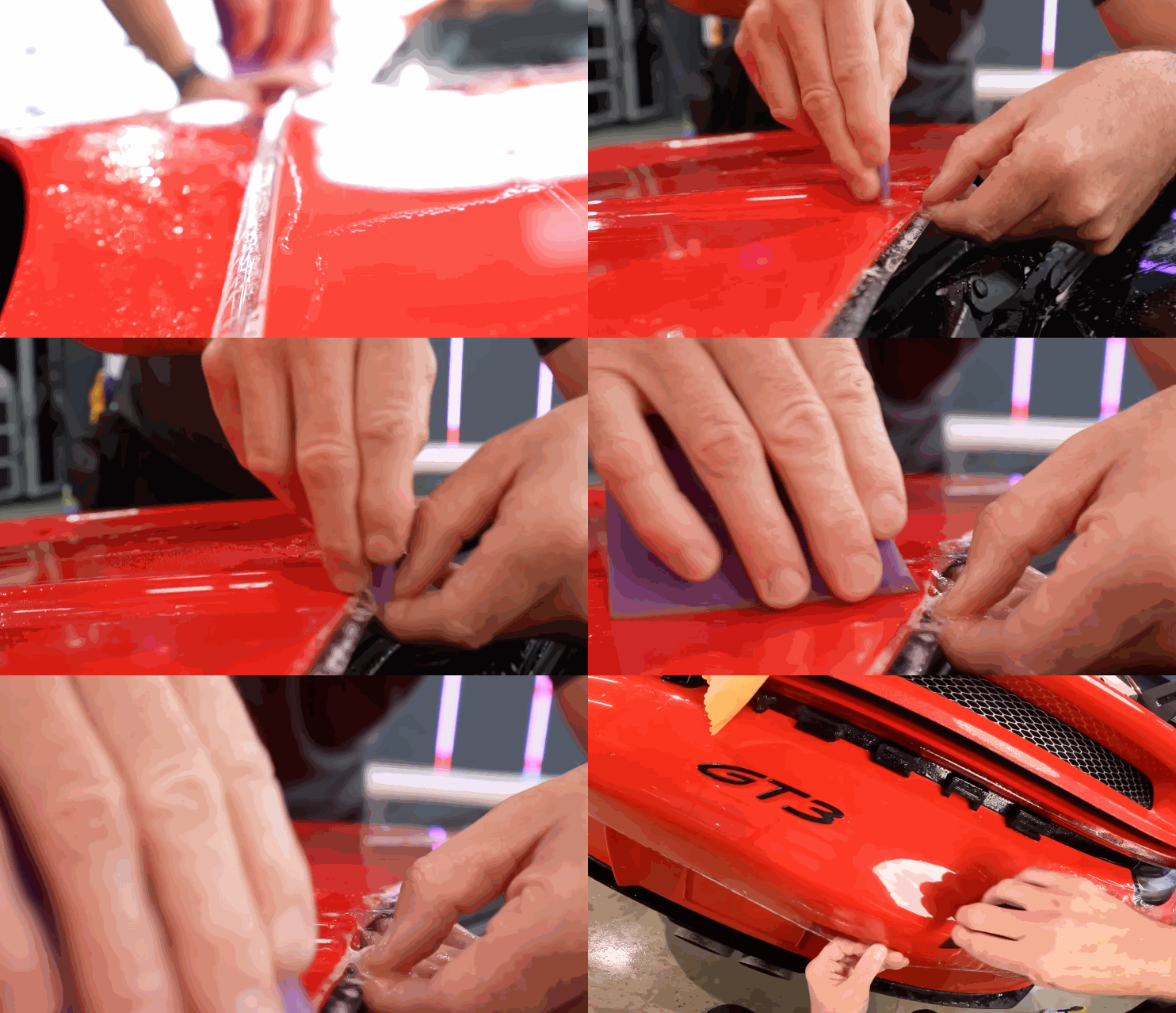
When people think about paint damage, they usually imagine a rock striking the hood or a piece of debris leaving a visible chip. Those things absolutely happen, but they’re only part of the story.
Some of the most common forms of paint deterioration occur so gradually that most owners don’t realize they’re happening until months or years later.
Take Riverside County’s dry climate as an example. Dust doesn’t simply land on your vehicle and disappear. It settles, moves across surfaces during washing, and combines with other contaminants throughout the year. Add freeway grime, bug residue, airborne sand, and environmental fallout into the mix, and your paint is constantly being exposed to microscopic abrasion.
None of these things are dramatic on their own. The challenge comes from repetition.
The same exposure that seems harmless today gets repeated hundreds of times over the course of ownership. That’s one reason many drivers begin researching paint protection film benefits before noticeable damage appears. They’re not necessarily reacting to existing problems, they’re trying to stay ahead of them.
From our perspective, paint damage prevention is often less about defending against a single major event and more about reducing thousands of small ones.
The Case for Protecting the Hood First
If you ask ten vehicle owners which panel they worry about most, chances are several of them will point directly at the hood. There’s a reason for that.
The hood occupies one of the largest and most exposed surfaces on the entire vehicle, making it a natural target for everything encountered during freeway driving.
- Constant exposure to airborne debris traveling at highway speeds
- Large painted surface where chips and imperfections become highly visible
- Frequent contact with insects, road grime, and environmental contaminants
- Prominent position that significantly influences the vehicle’s overall appearance
- Strong resale advantages when original paint remains intact
Because the hood is so visible, even minor imperfections tend to stand out more than damage on other panels. A few chips scattered across a large painted surface can change the entire look of a vehicle, especially on darker colors.
That visibility is one reason hood coverage remains among the most requested PPF installation options. For many Riverside County drivers, protecting the hood first offers an immediate way to preserve the part of the vehicle that faces the road, and the damage, every single day.
Why Bumper Protection Often Delivers the Biggest Return
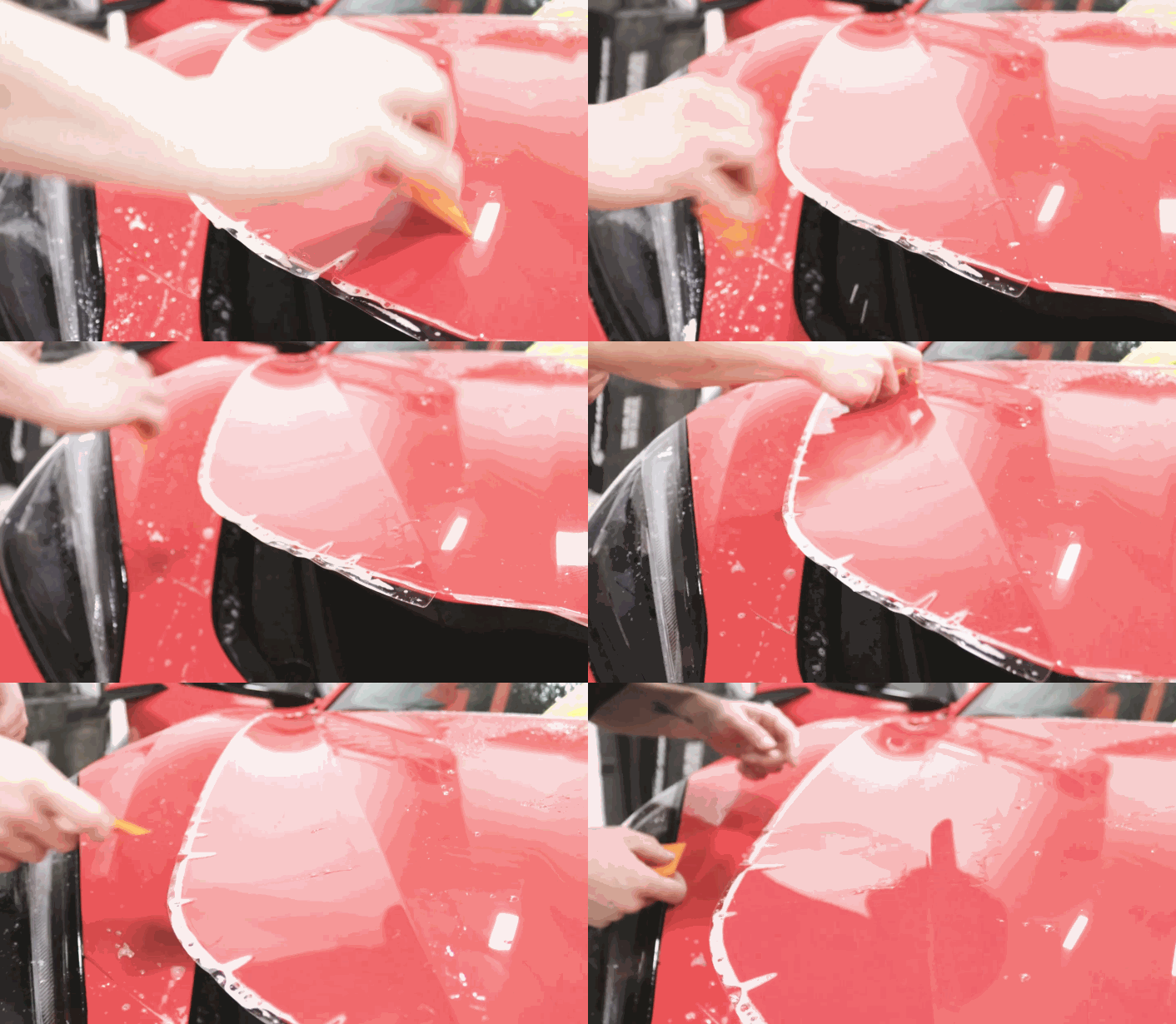
The hood gets a lot of attention, but if we’re talking purely about impact exposure, the front bumper may actually have the toughest job on the vehicle.
Unlike the hood, which tends to collect debris across a broad surface, the bumper absorbs direct contact from objects traveling at speed. It sits lower, closer to the road, and directly in the path of everything being thrown up by surrounding traffic.
That’s why bumper damage can accumulate surprisingly fast for drivers who regularly travel throughout Riverside County. Even vehicles that appear relatively new can begin showing chips, pitting, and surface wear concentrated in this area.
The challenge is that bumper repairs aren’t always simple. Repainting often requires color matching, blending, downtime, and expense that many owners would rather avoid altogether. And once factory paint is altered, it can never truly be considered original again.
When we compare protected and unprotected bumpers after years of freeway driving, the difference is usually easy to spot. Protected surfaces tend to maintain a cleaner, more consistent appearance, while unprotected ones often reveal the history of every commute.
That’s one reason we frequently recommend bumper coverage as part of a practical protection strategy at Freeway Tint. For Riverside commuters who spend significant time on highways, it’s often one of the smartest areas to prioritize from the start.
Side Mirrors: Small Surface, Constant Exposure
Side mirrors rarely get the same attention as hoods or bumpers when people start planning paint protection. In fact, many drivers don’t think about them at all until they notice a cluster of chips or scratches that suddenly seem impossible to ignore.
The interesting thing about mirrors is that they’re positioned directly in the airflow moving around the vehicle. As debris travels along the sides of the car, mirrors become one of the first points of contact. Dust, insects, gravel, and countless roadside particles collide with them every time you head out on the freeway.
Because the painted area is relatively small, even minor damage tends to stand out more. A handful of chips on a hood may blend into a larger panel, but a few imperfections on a mirror can immediately catch your eye every time you approach the vehicle.
That’s why mirror protection film is often included as part of broader PPF coverage options. It doesn’t require a large amount of material, yet it protects one of the most exposed painted surfaces on the entire vehicle. For many Riverside County drivers, it’s a small addition that prevents surprisingly noticeable wear over time.
Want to see more about our other services?
How Different Riverside Drivers Prioritize PPF Coverage
One of the biggest misconceptions about paint protection film is that coverage decisions should be based primarily on the vehicle itself. In reality, driving habits usually tell us much more about where protection makes the most sense.
Different drivers expose their vehicles to different types of risk every day.
- Long-distance freeway commuters who spend hours each week on the 91, I-215, or SR-60
- Drivers regularly traveling between Riverside, Corona, Moreno Valley, and surrounding communities
- New vehicle owners planning to keep their cars for many years
- Performance and luxury vehicle owners focused on preserving factory finishes
- Drivers who place a high value on maintaining resale condition
Someone who drives ten freeway miles per day may have very different protection priorities than someone driving fifty or sixty. Likewise, a vehicle intended for long-term ownership often justifies more coverage than one expected to be replaced within a few years.
That’s why there isn’t a single “correct” answer when it comes to PPF coverage. The best strategy usually reflects how the vehicle is used, where it’s driven, and what matters most to the owner.
What to Look for in a Professional PPF Installation
People often spend a lot of time comparing film brands, but the reality is that installation quality can be just as important as the material itself.
A paint protection film installation is only as good as the preparation behind it. If contaminants remain on the surface, if alignment isn’t precise, or if finishing details are overlooked, even premium film can end up looking less impressive than expected.
Preparation Creates the Foundation
Before any film is applied, the paint should be thoroughly cleaned and inspected. Surface contamination trapped beneath the film doesn’t disappear after installation. In many cases, it becomes even more visible.
The Details Separate Average From Exceptional
Film alignment, wrapped edges, seam placement, and finishing techniques all contribute to the final appearance. These details may seem minor during installation, but they’re often the first things people notice months later.
Durability Starts With Proper Technique
Poorly installed film can lift around edges, collect dirt, or become visually distracting. Ironically, a bad installation can draw more attention than the paint damage it was supposed to prevent.
At Freeway Tint, we view professional PPF installation as a long-term investment rather than a quick service. Precision matters because the goal isn’t simply to apply film, it’s to create protection that looks natural and continues performing well years down the road.
Protect the Areas That Face the Road First
When you step back and look at where paint damage actually happens, a clear pattern emerges. The hood, bumper, and side mirrors consistently take the brunt of Riverside County freeway driving. They’re positioned at the front lines, exposed to everything from road debris and insects to dust and airborne contaminants.
That’s why paint protection film tends to deliver the most value when it’s focused on the areas facing the road every day. Instead of waiting for chips and imperfections to accumulate, drivers can preserve original paint while it’s still in excellent condition.
For people who spend significant time on the 91, I-215, SR-60, or other busy Southern California roadways, proactive protection often makes far more sense than reactive repairs. Factory paint can only be original once.
At Freeway Tint, we help Riverside County drivers build protection packages around how they actually use their vehicles, not around a one-size-fits-all formula. If you’re considering professional PPF installation and want guidance on the right coverage for your car, contact us today. We’ll help you identify the areas that need protection most and create a solution designed around your driving habits.