
Protecting car paint from bugs, bird droppings, and sun damage comes down to three things: limiting direct exposure to the clear coat, removing contamination before it has time to set, and reducing the effects of prolonged UV exposure. In Riverside, where intense sunshine and freeway driving are routine, staying ahead of these hazards is much easier than correcting damaged paint later.
Paint protection film creates a transparent physical barrier over factory paint, helping shield vulnerable surfaces from insect residue, bird droppings, minor abrasions, and other environmental exposure. A professional PPF installation is especially useful on areas that repeatedly face contaminants and impacts during everyday driving.
The challenge is that Riverside throws several different paint hazards at a vehicle at once. Miles on the 91, SR-60, or I-215 expose the front end to insects and roadway contamination, while outdoor parking leaves the finish under strong California sun for hours. Hot, dry weather can also cause residue to dry onto the surface before you even notice it.
There isn’t one maintenance trick that solves all of those problems. Bugs, droppings, and sunlight affect automotive finishes differently, so preserving the paint means knowing what you’re protecting it from and using the right approach for each type of exposure.
Why Bug Splatter Should Not Stay on Your Paint
Bug residue becomes more difficult to remove the longer it remains on automotive paint, and prolonged contact can eventually leave staining or etching behind. Removing it early is one of the simplest ways to protect automotive paint without creating unnecessary work for yourself later.
For Riverside drivers, the location of the residue is usually predictable. The front bumper gets the heaviest concentration, followed by the leading portion of the hood, side mirrors, and other surfaces facing directly into airflow. Regular trips along the 91 or I-215 can leave these areas covered surprisingly quickly, particularly during periods when insects are more active.
The mistake is trying to solve dried bug residue with force. Scrubbing harder may remove the contamination, but it can also introduce fine scratches or marring into the clear coat. Softening stubborn residue with an appropriate automotive cleaner and removing it gently is a much safer approach.
This is also where physical protection becomes useful. At Freeway Tint, we often look at the front of the vehicle first when discussing paint protection because those surfaces repeatedly take the same exposure. Adding a protective layer to those areas can provide valuable clear coat protection before bug damage to car paint becomes something an owner has to correct.
What Makes Bird Droppings Especially Hard on Automotive Paint?
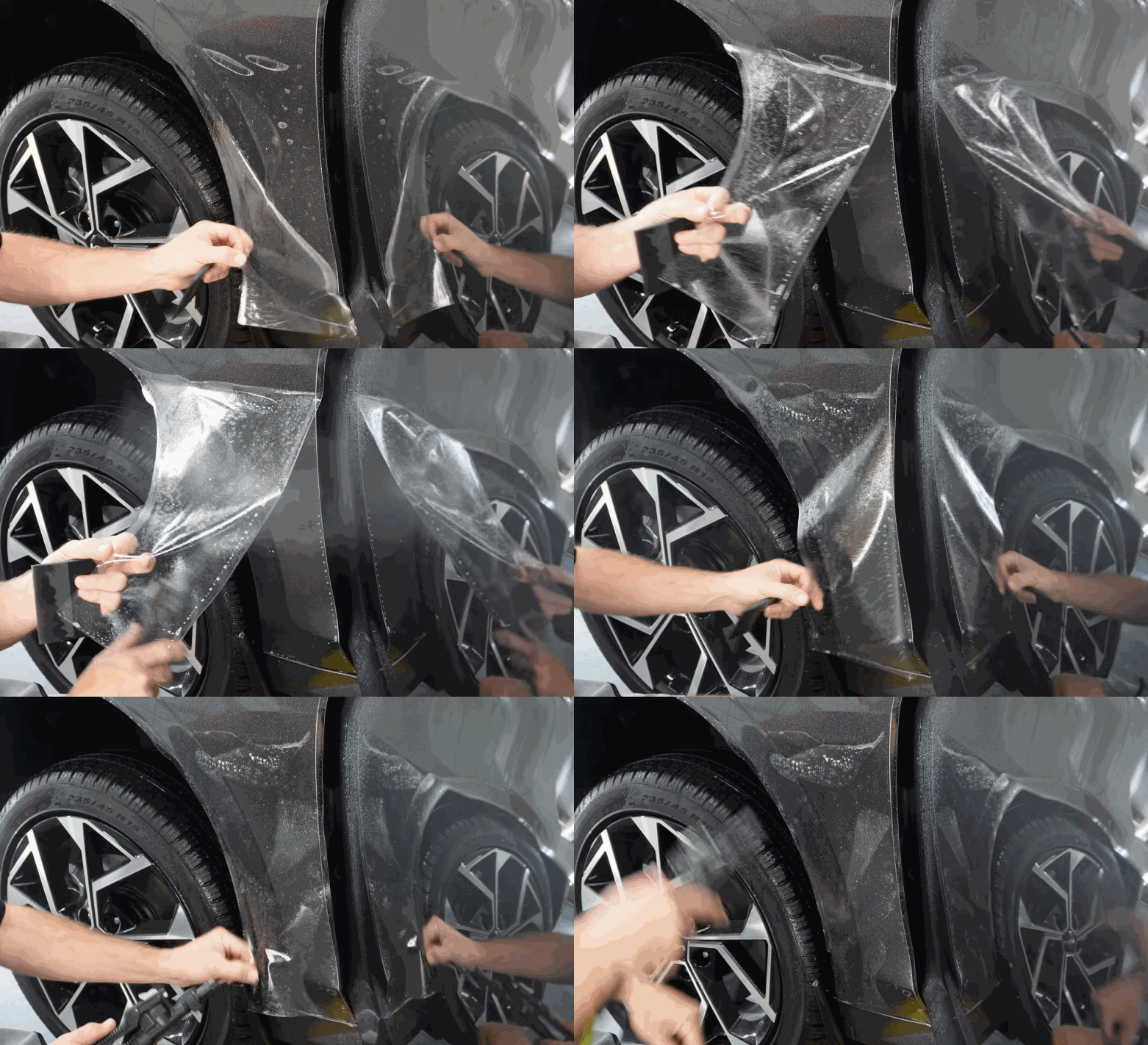
Bird droppings should be removed from automotive paint as soon as reasonably possible because prolonged exposure can stain or etch the clear coat. Riverside heat makes the situation more troublesome by drying contamination onto the finish and making safe removal more difficult.
Unlike a rock chip, this type of car paint contamination doesn’t necessarily look serious when it first happens. The problem develops while the material remains against the surface. Leave it sitting under direct sunlight on a hot hood, roof, or trunk, and what began as a cleaning job can become a paint-correction problem.
The safest response is patience rather than pressure. Dried contamination should be softened with a paint-safe cleaning product before being gently lifted from the surface. Scraping it away or repeatedly rubbing the area with a dry towel can introduce scratches while you’re trying to prevent bird dropping paint damage.
The practical rule is simple: don’t give contamination more time on the paint than necessary. Prompt removal is easier on both the finish and whoever eventually has to clean it.
How Does Riverside Sun Exposure Affect Car Paint?
Years of strong UV exposure and heat can contribute to fading, oxidation, and gradual deterioration of an automotive finish. Unlike a chip or scratch that appears at a specific moment, sun damage develops slowly through repeated exposure.
That distinction matters in Riverside and throughout the Inland Empire. A vehicle that spends most days in a garage has a very different exposure history from one parked outside at work for eight hours, five days a week. Over months and years, all those hours under direct sunlight add up.
Horizontal panels usually receive some of the most consistent exposure. The hood, roof, and trunk sit directly beneath the sun for long stretches, so they’re important areas to consider when thinking about UV paint protection. Dark and highly noticeable finishes can also make changes in paint condition particularly frustrating for owners who care about maintaining a uniform appearance.
Effective Riverside paint protection therefore isn’t only about stopping physical impacts. Sun damage to car paint develops through a different mechanism, and preserving the finish long term means accounting for both environmental exposure and physical wear rather than treating them as the same problem.
How Paint Protection Film Adds a Barrier Between Paint and Contaminants
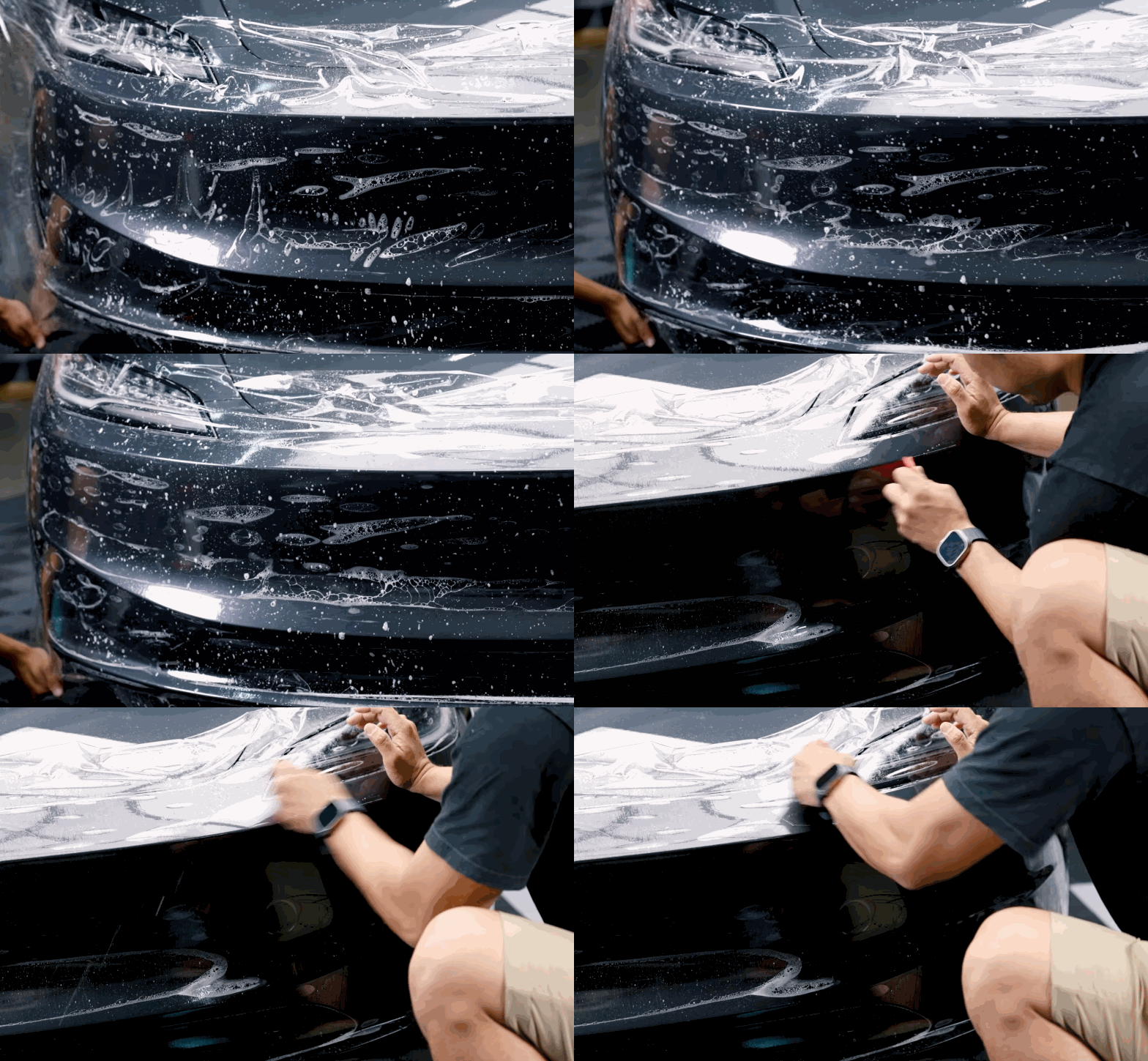
Paint protection film works by placing a transparent, sacrificial layer between the environment and your vehicle’s clear coat. Instead of everyday exposure reaching factory paint directly, the film becomes the surface that takes much of that contact.
That distinction is what makes car paint protection film useful for daily drivers. Modern PPF can provide several forms of practical protection at once:
- Contaminant resistance: Bug residue, bird droppings, and road grime contact the film rather than bare clear coat.
- Minor impact protection: The material helps absorb small stones, debris, and other light impacts encountered during normal driving.
- Stain resistance: Quality films are engineered to resist discoloration from common environmental contaminants.
- Self-healing performance: Many modern films can minimize the appearance of light surface scratches when exposed to heat.
- Optical clarity: Properly installed film is designed to preserve the appearance of the paint underneath rather than noticeably covering it.
Those paint protection film benefits don’t mean you can install PPF and stop caring for the vehicle. Contaminants should still be cleaned promptly, and the film itself needs appropriate maintenance. The difference is that you’re cleaning and maintaining a replaceable protective layer instead of repeatedly exposing the original finish.
At Freeway Tint, we also don’t view PPF for daily drivers as an all-or-nothing decision. Coverage can be matched to the vehicle’s actual exposure, whether that means concentrating protection around a freeway-driven front end or expanding it to additional panels that spend considerable time outdoors. A thoughtful PPF installation protects where protection is genuinely useful rather than simply covering more paint for the sake of it.
Which Parts of Your Car Should You Protect First?
The most useful PPF coverage usually starts with the surfaces that receive the highest concentration of impacts and contamination. For most vehicles, that means looking at where damage actually occurs rather than assuming every painted panel needs the same level of protection.
Common priorities include:
- Front bumper: Takes direct contact from insects, small stones, road debris, and grime.
- Hood: Its size and forward-facing position make chips and bug residue particularly noticeable.
- Front fenders: Vulnerable around their leading edges and areas close to the wheels.
- Side mirrors: Small surfaces that repeatedly meet insects and airborne debris at road speed.
- Rocker panels: Exposed to material thrown upward by your own tires and surrounding traffic.
- Other leading edges: Vehicle design can leave certain lower panels, flared bodywork, or painted trim more exposed than usual.
For someone putting serious mileage on the 91, SR-60, or I-215, front end PPF may provide more practical value than it would for a vehicle mainly used for shorter trips around Riverside. This is why PPF coverage options should be considered individually.
Full-body coverage certainly has its place, but it isn’t automatically necessary. Strategic paint protection for high-impact areas can preserve the panels most likely to suffer damage while keeping the scope of the installation aligned with the owner’s budget and priorities. Where your vehicle experiences wear should ultimately determine where the film goes.
Want to see more about our other services?
What Should You Do When Contaminants Land on PPF?
Bugs, bird droppings, tree residue, and other contaminants should still be removed from PPF instead of being allowed to sit indefinitely. The film protects the factory finish underneath, but good PPF maintenance helps keep that protective surface looking clear and performing properly.
A simple approach works well: remove fresh contamination promptly using a film-safe automotive cleaner and a clean microfiber towel. For residue that has already dried, give the product time to soften it before wiping. Avoid scraping, aggressive rubbing, abrasive compounds, or household cleaners that weren’t designed for automotive surfaces.
That timing becomes especially relevant in Riverside. Direct summer sun can bake residue onto a hot panel, turning something that could have wiped away easily earlier in the day into a much more stubborn spot.
At Freeway Tint, proper aftercare is something we consider part of a professional PPF installation, not an afterthought. When we explain how to clean paint protection film, the objective isn’t complicated maintenance. It’s simply to take care of the film so it can continue taking the exposure you installed it to handle.
Good PPF care ultimately protects two things at once. You’re preserving the condition of the film itself while allowing that film to continue serving as the barrier between everyday contamination and the original paint beneath it.
Why Professional PPF Installation Matters for Paint Protection
Professional PPF installation determines how completely vulnerable surfaces are covered and how cleanly the finished film integrates with the vehicle. Product quality matters, but even excellent film cannot compensate for careless preparation or poor fitment.
The process starts by inspecting the paint itself. Contamination, residue, and existing imperfections need to be identified before film is applied because anything left underneath can affect the finished appearance. After washing and decontamination, additional paint preparation may be appropriate depending on the vehicle’s condition.
Film positioning is where installer experience becomes especially visible. A relatively flat hood behaves very differently from a bumper filled with vents, contours, sensors, and sharp transitions. Mirrors, panel corners, and complex edges also require controlled stretching and careful placement to achieve secure coverage without unnecessary seams or tension.
Finishing deserves the same attention. Edges should be handled appropriately for the panel, alignment needs to remain consistent, and the entire paint protection film installation should be inspected before completion.
Poor workmanship can leave trapped contamination, obvious seams, lifting edges, or exposed areas that undermine the purpose of the film. Choosing an experienced PPF installer in Riverside is therefore about more than getting a cleaner-looking result. It directly affects how reliably the protected surfaces remain covered over time.
Protect Your Paint Before Riverside Conditions Leave Their Mark
Bugs, bird droppings, and sunlight don’t damage automotive paint in exactly the same way, so effective protection shouldn’t rely on a single habit. Prompt cleaning helps control contamination, sensible maintenance preserves the finish, and paint protection film gives vulnerable panels a physical barrier against repeated exposure.
The advantage of PPF is especially clear in places where the paint consistently takes the abuse first. Protecting a bumper, hood, mirror, or other high-exposure panel means everyday contact reaches the film before it reaches the factory finish.
At Freeway Tint, we help Riverside drivers determine which areas actually make sense to protect based on vehicle condition, mileage, parking habits, and expected ownership. The goal is appropriate coverage, installed carefully, for the conditions the vehicle genuinely faces.
If you want to protect your vehicle before chips, stains, and environmental wear become visible, contact us for professional PPF installation in Riverside, CA. We’ll help you choose coverage that makes sense for your car and give the original paint a better chance of staying original.