
If you live in Riverside, you already know the sun here doesn’t “take breaks.” Between the heat that builds up in west-facing rooms and the glare that hits through the windows in the late afternoon, many homeowners reach a point where blinds and curtains just aren’t enough.
That’s why residential window tinting has become such a popular upgrade across Riverside, CA. It’s a clean, modern way to improve comfort inside your home without changing the structure of your windows. With professional home window tinting, you can keep natural light while reducing heat, UV exposure, and daily glare.
In this guide, we’ll break down what window film actually does, what film types exist, what benefits matter most for the Inland Empire, and what to look for when choosing an installer and the right film for your home.
What Residential Window Tinting Actually Does (Beyond “Making Windows Dark”)
A lot of people assume window tint only changes how the glass looks. In reality, quality home window tinting is designed to manage solar energy and improve how your home feels day to day.
Residential window film is made of layered materials (typically polyester-based) with specialized coatings that can reduce UV exposure and heat transfer. Depending on the film type, it may include reflective, absorbent, or ceramic technology for performance.
The biggest thing to understand is that visible light and heat aren’t the same. A room can still look bright but feel much cooler because solar control film targets heat coming through the glass, this is why heat rejection window tint has become such a smart upgrade in Riverside.
Riverside-Specific Benefits: What Window Film Solves in Real Homes
Riverside homes deal with a very specific mix of issues: high sun exposure, long warm seasons, and strong afternoon glare, especially in neighborhoods where homes have large front windows or open layouts. In the Inland Empire, the sun isn’t just bright; it’s intense, and it can make certain rooms uncomfortable even when the AC is running.
This is where residential window tinting makes a noticeable difference. Rooms feel more balanced, hot spots reduce, and glare becomes easier to manage without keeping the house closed off. It also helps protect interiors from UV exposure, which matters when sunlight hits the same flooring or furniture every afternoon for years.
At Freeway Tint, we’ve learned that Riverside homes aren’t “one film fits all.” Film selection has to match the direction of your windows, the layout of the home, and how sunlight moves through the space, especially during peak summer heat.
Types of Home Window Tinting Films (And Who They’re Best For)

Not all films do the same job. Some are primarily built for heat control, others are focused on privacy or appearance, and higher-performance options can do both without dramatically changing the look of your windows.
For Riverside homeowners, this choice matters because the goal is usually comfort + efficiency without losing natural light. The right residential window film can improve daily comfort while also supporting lower cooling demand.
Common film types include:
- Solar control window film (heat + UV)
- Decorative window film (design + partial privacy)
- Privacy window tint (visibility control)
- Dual-reflective options (daytime privacy + solar performance)
- Ceramic window film (high heat rejection with a lighter, cleaner appearance)
Ceramic options are especially popular right now because they offer strong performance while still keeping the glass looking natural, an ideal fit for homeowners who want real results without dark windows.
Where Residential Window Tinting Makes the Biggest Difference
In most Riverside homes, the rooms that benefit the most are the ones that take direct sunlight for hours at a time. West-facing exposure is usually the biggest issue because that late-afternoon sun can turn certain areas into a heat trap.
The best way to approach home window tinting is identifying the rooms where glare, heat, and comfort problems are happening consistently, and then selecting film accordingly.
High-impact areas usually include:
- living rooms with big windows
- west-facing rooms that overheat in the afternoon
- bedrooms affected by early light or morning glare
- home offices where screen glare becomes constant
- kitchens where heat builds up through sun-facing glass
In Riverside, sun angles make this especially noticeable because the heat load often peaks later in the day, right when people are actually home trying to relax.
Energy Efficiency and Cooling Costs: What Homeowners Should Realistically Expect
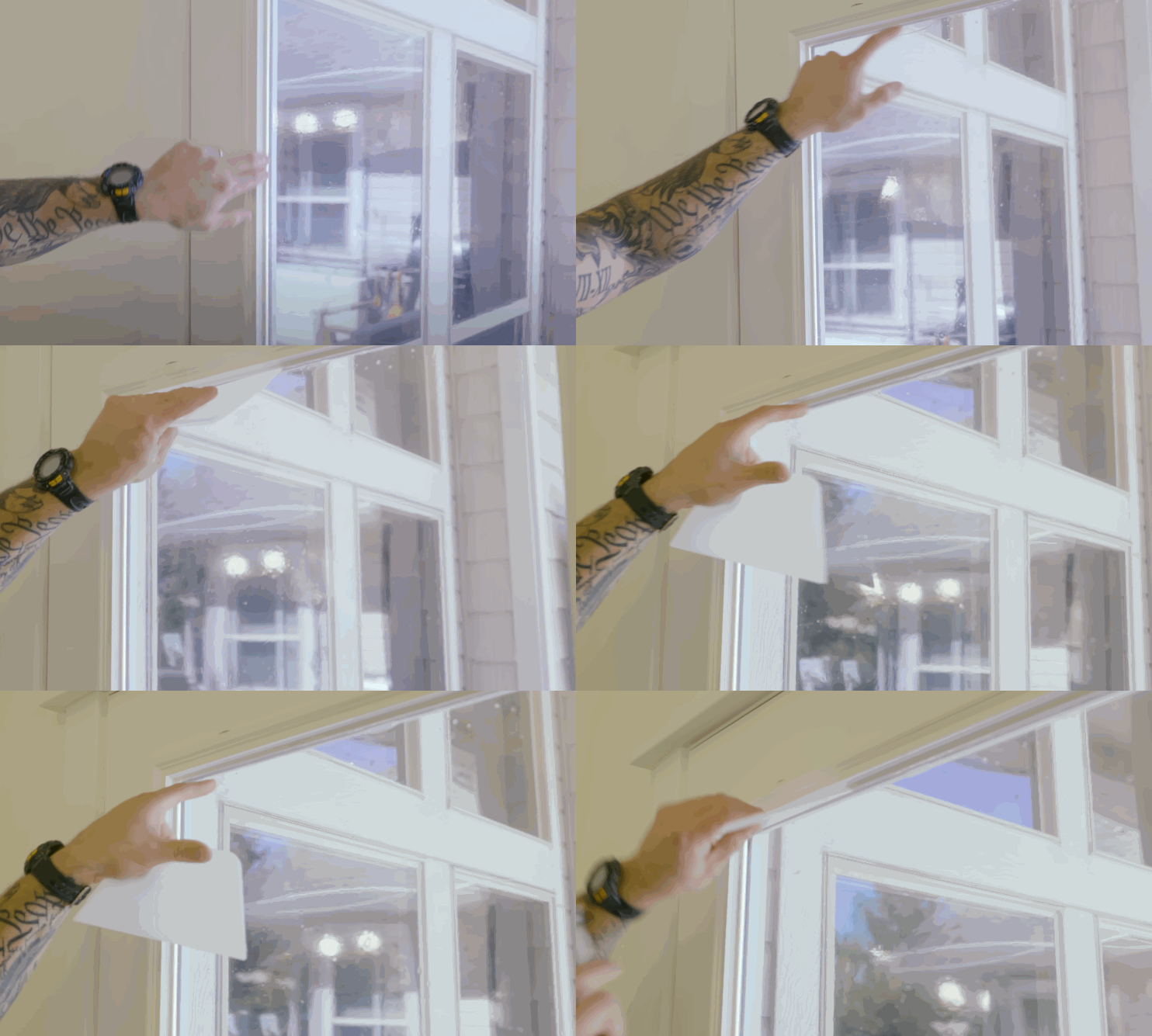
One of the biggest reasons Riverside homeowners choose residential window tinting is energy performance. When sunlight hits your glass, it doesn’t just brighten the room, it transfers heat inside. That “solar load” forces your HVAC system to work harder, especially in the afternoon when Riverside temperatures and sun intensity peak.
High-quality heat control window film reduces solar heat gain by rejecting a portion of that incoming energy. In plain terms: your rooms stay more stable, your AC doesn’t have to fight as hard, and your comfort improves during the hottest parts of the day. That’s where many homeowners start noticing real energy savings, even if they don’t change anything else.
That said, window film isn’t a magic replacement for insulation, efficient windows, or proper sealing. Think of it as a strong support tool: it helps reduce heat intrusion through glass, which is often the weakest spot in the building envelope. If your home has large windows, open floor plans, or west-facing exposure, the impact of solar heat reduction can feel immediate.
The Installation Process: What Professional Residential Window Tinting Looks Like
Professional home window tinting is not a “slap it on and hope it sticks” type of job. The finish has to be clean, clear, and consistent, because you’ll be looking through it every day.
Here’s the high-level process a professional job should follow:
- Consultation and evaluating sun exposure + goals
- Film selection based on performance needs and appearance preference
- Glass prep (deep cleaning, contamination removal, inspection)
- Film installation and precision finishing
- Final check + homeowner care instructions
Surface prep is everything. If the glass isn’t properly cleaned and prepped, you can end up with distortion, debris trapped under the film, or adhesion issues over time. That’s why professionals treat the prep stage as the foundation, not as an optional step.
After installation, drying/curing time varies depending on the film type and conditions. You may notice a slightly “hazy” look or small moisture patterns early on, which is normal during curing. A good installer will explain exactly what to expect and how to treat the windows during that period.
At Freeway Tint, we’re very process-driven with our residential window tinting installs. We prioritize clean results and film performance, never rushed installs, because the difference shows long-term.
Want to see more about our other services?
How to Choose the Right Film for Your Riverside Home
Choosing the right film is where residential window tinting becomes truly personalized. The right option depends on how your home is built, where the sunlight hits hardest, and what you value most (heat control, privacy, clarity, or aesthetics).
Here are the key decision factors we recommend using:
- Sun exposure direction: west-facing windows usually need the most heat rejection
- Window type and glass condition: affects film compatibility and final clarity
- Privacy needs: daytime vs nighttime privacy are different problems
- HOA considerations: some communities prefer lighter, more natural-looking finishes
- Natural light preference: keeping the home “bright” while still controlling heat
In Riverside, one of the best approaches is balancing “clear and bright” with strong heat rejection, this is where ceramic options often become the best fit for many homeowners.
Common Questions and Misconceptions About Home Window Tinting
This is where a lot of homeowners hesitate, and honestly, it makes sense. You don’t want to invest in something that could make your home feel dark, look odd, or cause issues with your glass.
Here are the most common questions we hear:
- “Will it make my house too dark?”: Not necessarily. Performance films can be light and still block heat effectively.
- “Does it bubble or peel?”: Quality film + professional installation prevents this. Cheap film and rushed installs are the usual cause.
- “Can window film crack my glass?”: Proper film selection matters, especially depending on glass type, window age, and sun exposure. This is why professional guidance is important.
- “Is it only for privacy?”: Not at all. Most homeowners choose home window tinting mainly for solar control, UV protection, glare reduction, and comfort.
At Freeway Tint, we’re big on honest recommendations. If a homeowner doesn’t need an aggressive dark film, or if a different film makes more sense for their glass, we’ll tell you directly.
Conclusion: Is Residential Window Tinting Worth It in Riverside?
For most Riverside homeowners, yes, residential window tinting is absolutely worth it when comfort, heat control, and interior protection matter. It reduces glare, improves privacy options, blocks UV exposure, and helps your home handle the Inland Empire sun without relying so heavily on AC all day.
Riverside’s long warm season and intense sun angles make window film one of the most practical home upgrades you can do, especially for west-facing rooms and homes with lots of glass.
If you’re considering home window tinting and want guidance on what film actually fits your home (not just what looks good in a sample book), reach out to Freeway Tint. We’ll help you choose the right film for real Riverside heat and sun exposure, and we’ll provide a quote based on what your home truly needs.