
There’s a specific kind of exhaustion that comes from driving around Riverside in the middle of the afternoon. Not dramatic exhaustion, just that constant low-level annoyance you start noticing after enough time behind the wheel. The steering wheel is hotter than expected, sunlight keeps bouncing off surrounding traffic on the 91, and even a quick stop near Downtown somehow turns your car into a heated storage container.
A lot of drivers don’t start searching for window tint because they care about appearance first. Usually, they reach a point where they’re simply tired of dealing with heat and glare every single day. Long commutes on I-215, outdoor parking near UCR, shopping center parking lots with zero shade, Riverside conditions slowly make comfort feel like part of vehicle protection.
That’s where ceramic window tint starts entering the conversation. Not as the “dark tint option,” but as a more advanced type of window tint designed specifically for heat rejection and driving comfort. Compared to older dyed films, ceramic tint takes a very different approach to managing sunlight and interior temperature.
And honestly, that difference becomes pretty noticeable around here.
In this guide, we’re going to break down what ceramic window tint actually is, how it works, where it performs best, and whether it truly makes sense for drivers looking into window tint in Riverside.
What Makes Ceramic Window Tint Different?
A lot of people hear the word “ceramic” and immediately assume it’s mostly marketing language. We understand that reaction because, from the outside, many tint films can look pretty similar once they’re installed.
But ceramic window tint is built differently from the inside out.
It’s Not Dyed Film
Traditional dyed tint mainly focuses on appearance and basic light reduction. It darkens the glass, but it doesn’t do nearly as much when it comes to blocking heat.
Ceramic tint film takes another route entirely. Instead of dyes or metallic layers, it uses microscopic ceramic particles embedded within the film itself. Those particles are non-metallic and non-conductive, which changes how the tint handles heat and sunlight.
It’s Designed Around Performance
One of the biggest advantages of heat rejecting window tint is that it helps manage solar heat without forcing drivers into extremely dark shades. That’s something Riverside drivers appreciate pretty quickly once summer temperatures start climbing.
Visibility also tends to stay clearer compared to lower-grade films. And because ceramic tint doesn’t rely on metal content, it avoids signal interference with GPS, Bluetooth, phone service, and newer vehicle technology.
At Freeway Tint, this is usually the point where customers start realizing not all automotive window tint is built with the same priorities. Some films are mainly cosmetic. Ceramic window tint is much more focused on daily driving performance, especially in hot climates like Riverside.
And once you experience that difference consistently, it becomes hard to ignore.
Why Heat Rejection Matters So Much in Riverside
There are places where window tint feels optional. Riverside usually isn’t one of them.
The heat here has a way of building up slowly throughout the day until suddenly every surface inside the car feels amplified. If your vehicle spends hours parked outside near Downtown Riverside, around UCR, or in large open shopping centers, you already know the feeling of opening the door and immediately getting hit with trapped heat.
And what makes Riverside different is how often that cycle repeats itself.
This isn’t occasional summer weather. Strong sunlight, dry conditions, and long exposure periods become part of everyday driving for most people here. Even short commutes can feel noticeably more draining when glare and interior heat are constantly working against you.
That’s why ceramic window tint tends to matter more in Riverside than it might in milder areas.
A quality heat blocking window tint helps reduce how much solar heat actually enters the cabin in the first place, instead of forcing your AC system to constantly play catch-up afterward. At the same time, UV protection window tint helps limit long-term sun exposure affecting your dashboard, seats, trim, and other interior materials that slowly wear down under direct sunlight.
The result isn’t that your car suddenly becomes cold or completely unaffected by heat. It’s more subtle than that.
The cabin simply feels easier to manage. Less aggressive. Less overwhelming during peak daytime hours. And over time, that difference becomes part of your normal driving experience.
The Biggest Benefits of Ceramic Window Tint
Most drivers initially notice ceramic tint because of comfort, but after living with it for a while, they usually realize the benefits go much further than temperature alone.
- Better heat rejection during long Riverside summers and afternoon freeway traffic
- Reduced glare while driving through bright open roads and reflective traffic conditions
- UV protection that helps preserve dashboards, seats, and interior surfaces
- More comfortable cabin temperatures without needing extremely dark windows
- No interference with Bluetooth, GPS navigation, or mobile device connectivity
What makes ceramic window tint stand out is that the improvements feel practical rather than flashy. It changes how the car feels during everyday use instead of just changing how it looks from the outside.
That’s a big reason why so many Riverside drivers end up gravitating toward ceramic tint once they understand what it actually does beyond appearance.
Is Ceramic Window Tint Worth the Higher Cost?
Ceramic tint usually costs more upfront than standard window tint films, and we think it’s important to be honest about that from the beginning. The materials themselves are more advanced, and quality installation matters even more because the film is designed around performance, not just appearance.
But the interesting part is that most people stop focusing on ceramic tint cost after they’ve driven with it for a while.
The difference tends to show up gradually. You notice the cabin stays more manageable after being parked outside. Afternoon drives feel less harsh on your eyes. The AC doesn’t seem like it’s working overtime quite as often during Riverside heat waves.
That’s usually where the conversation around “is ceramic window tint worth it” starts shifting.
Instead of comparing tint only by price, drivers start thinking about daily comfort, long-term durability, and overall driving experience. Especially during Riverside summers, when temperatures stay high for long stretches, the benefits become much easier to appreciate consistently.
At Freeway Tint, we’ve seen plenty of drivers come in originally planning for a more basic film, only to realize later that ceramic window tint aligned better with how they actually use their vehicle day to day. Not because it’s trendy, but because Riverside conditions tend to expose the difference between standard tint and high-performance film pretty quickly.
Common Misunderstandings About Ceramic Window Tint
Ceramic window tint has gotten a lot of attention over the last few years, which is great in one sense, but it’s also created a ton of confusion. A lot of drivers come in with expectations built around exaggerated marketing claims or videos that make ceramic tint sound almost futuristic.
The reality is a little more balanced, and honestly, understanding that reality helps people make much better decisions.
- Ceramic tint does not make your windows completely immune to heat
- A darker film does not automatically mean stronger heat rejection
- Ceramic tint still depends heavily on proper installation quality
- Different ceramic films perform very differently depending on the manufacturer
- Ceramic tint helps reduce heat buildup, but your AC system still matters in Riverside summers
One of the things we spend a lot of time doing at Freeway Tint is helping Riverside drivers separate actual performance from marketing language. Because once people understand what ceramic window tint is realistically designed to do, the benefits usually make much more sense, and so do the expectations that come with it.
Want to see more about our other services?
Why Professional Installation Matters With Ceramic Tint
Good ceramic tint can look completely different depending on who installs it.
That’s something people usually don’t realize until they’ve seen poor work up close. Tiny contamination trapped under the film, uneven edges, bubbling near the corners, or sections that start lifting months later, most of those problems don’t come from the material itself. They come from shortcuts during installation.
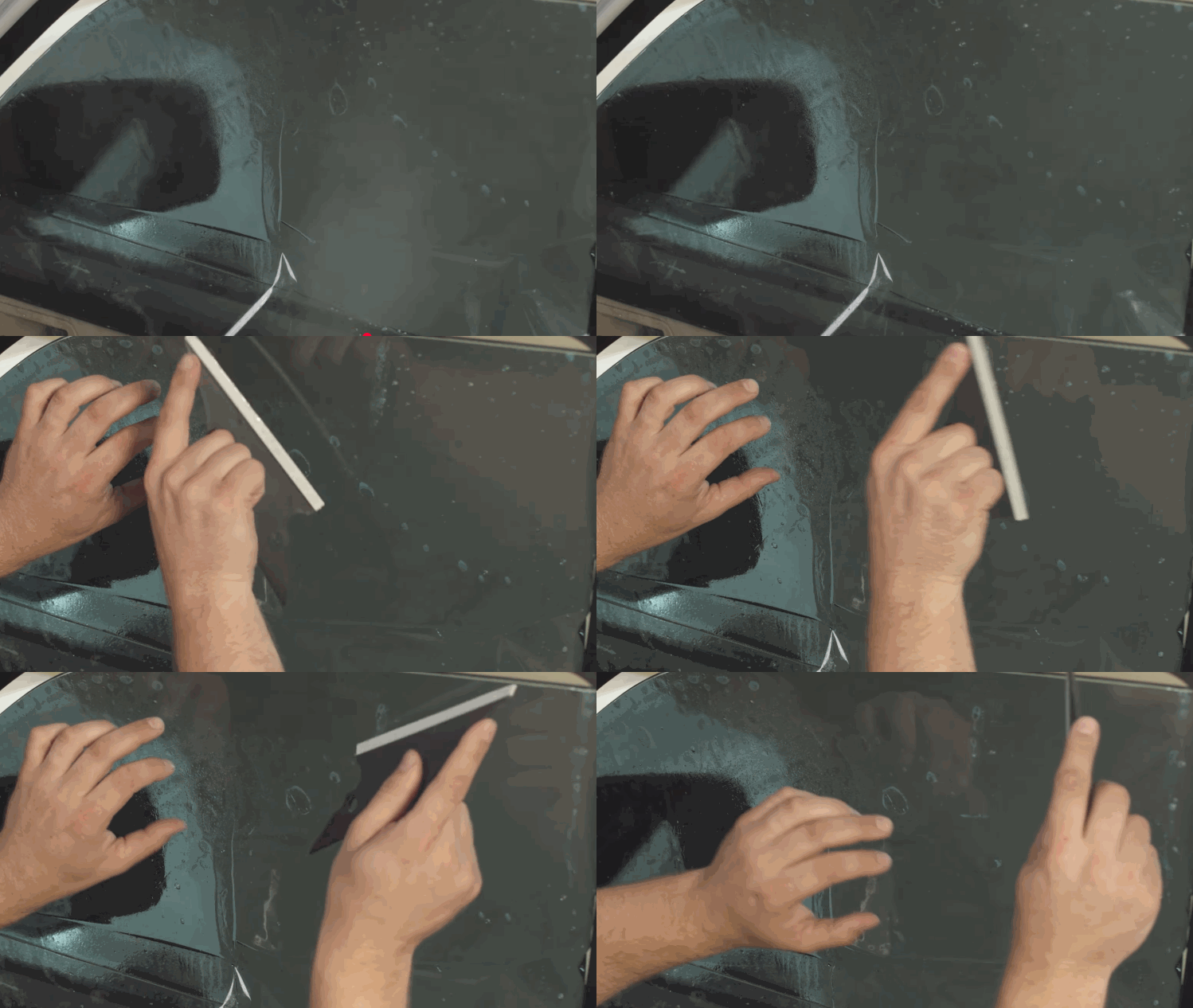
Professional ceramic window tint installation is a very detail-heavy process, especially with higher-performance films.
Preparation Matters More Than Most People Think
Before the film even touches the glass, the windows have to be cleaned thoroughly enough to remove residue, dust, oils, and microscopic particles that could affect adhesion later on. Riverside’s dry environment actually makes contamination control even more important because dust settles quickly.
Precision Changes the Final Look
Clean edge alignment, proper shrinking techniques, and precision cutting are what help the tint look smooth and natural once installed. Poor trimming or rushed fitting tends to become obvious over time, especially when sunlight hits the glass directly.
The Curing Process Can’t Be Rushed
After the window tint installation is complete, the film still needs time to cure properly. Temperature, moisture, and installation environment all influence how the film bonds long-term.
That’s why professional ceramic tint installation tends to hold up better visually and structurally over time. The difference usually isn’t just how it looks the first week, it’s how it still looks after months of Riverside heat exposure
How to Choose the Right Ceramic Window Tint for Your Vehicle
One thing we’ve learned over the years is that there’s no universal “best” ceramic tint setup for every driver. The right film usually depends more on how the vehicle is used than on the vehicle itself.
Someone spending two hours a day commuting across Riverside freeways is probably going to prioritize stronger heat rejection. Meanwhile, a driver who parks outdoors constantly may care more about UV reduction and interior preservation. Some people want maximum comfort, others care more about maintaining visibility at night while still improving daytime driving conditions.
That balance matters more than people expect.
When choosing the best ceramic window tint for cars, there are usually four things working together at the same time:
- Heat rejection performance
- Visibility and driving comfort
- Exterior appearance
- Legal compliance with California tint regulations
And around here, legal window tint Riverside regulations are something drivers genuinely need to keep in mind. Going darker doesn’t always mean better performance, and the wrong setup can create visibility issues or legal headaches later.
The best ceramic tint setup is usually the one that fits naturally into how you already drive every day, not the one that sounds the most extreme on paper
A Better Match for Riverside Driving Conditions
After working with ceramic window tint for years, one thing becomes pretty obvious in Riverside, this type of film wasn’t built just for appearance. It makes the biggest difference in places where sunlight, heat, and long daily driving exposure are part of normal life.
That’s why so many drivers here end up appreciating ceramic tint beyond the visual side of it. The heat rejection, glare reduction, and UV protection all combine in a way that simply makes the car feel more comfortable to live with over time.
At Freeway Tint, we’ve seen firsthand how much the right ceramic window tint setup can improve everyday driving around Riverside, especially during the hotter months when interior temperatures become harder to manage.
If you’re considering ceramic window tint installation in Riverside, CA, or just want help understanding which film actually fits your driving habits, feel free to contact us. We’ll help you compare options honestly and find a setup that makes sense for your vehicle and the way you use it every day.